

Views: 0 Author: Site Editor Publish Time: 2025-10-29 Origin: Site
In modern households and workplaces, the electric kettle has become one of the most frequently used appliances. From morning tea rituals to quick hot water needs in an office pantry, kettles are switched on multiple times a day. At the heart of this essential appliance lies a small but vital component—the kettle switch. Though often overlooked, the switch plays a critical role in ensuring safety, efficiency, and long-term reliability.
This article explores the importance of choosing the right kettle switch, the factors that determine its durability, and how manufacturers and consumers alike can make informed decisions for long-term use.
The kettle switch is responsible for activating and deactivating the heating element inside the appliance. When turned on, the switch allows electrical current to flow, heating the water to the desired temperature. When the boiling point is reached, a high-quality switch ensures automatic shut-off to prevent overheating or dry boiling.
In other words, the switch is not just a button—it is a safety mechanism, an efficiency driver, and a durability factor that directly impacts the overall lifespan of the kettle.
Because kettles are used so frequently, the switch undergoes constant mechanical and electrical stress. Each time it is pressed, it endures a combination of physical movement and heat exposure. A poorly designed switch can wear out quickly, leading to failures such as:
Failure to Switch Off Automatically – posing fire or burn hazards.
Loose Contact – resulting in inconsistent heating or premature shut-off.
Cracking or Melting of Plastic Parts – due to poor heat resistance.
Durability ensures not only longer kettle lifespan but also user safety and reliability.
A kettle switch is more than a simple control—it is a safety-critical component that must endure years of heat, steam, and frequent use while maintaining consistent performance. The following factors define whether a switch is truly durable:
Durability starts with selecting the right materials. High-grade, heat-resistant plastics such as polycarbonate prevent the casing from warping or cracking under continuous exposure to boiling water. For the electrical parts, copper or silver-plated contacts are preferred, as they provide excellent conductivity and minimize wear caused by arcing. Stainless steel springs also play a key role by adding mechanical strength and resisting rust, ensuring smooth operation even after thousands of cycles.
Since kettles produce high levels of both heat and steam, switches must be engineered to withstand these extremes. A durable switch can tolerate rapid temperature changes without deforming. Protective seals or specialized coatings are often applied to keep moisture out of internal components, while advanced insulation materials help prevent electrical leakage—both critical for long-term safety.
The expected service life of a quality kettle switch is 30,000–50,000 on/off cycles, equivalent to years of daily use. Smooth lever movement, consistent tactile feedback, and the use of wear-resistant mechanical parts prevent premature failure. This makes durable switches suitable not only for home kitchens but also for high-demand environments such as offices, hotels, or cafes, where kettles are used many times a day.
A switch must also be properly rated for the kettle’s power requirements, typically ranging from 1,500 to 3,000 watts. Adequate electrical performance reduces resistance, lowers the risk of sparking, and prevents overheating. Some advanced switches are designed with overload protection or thermal cut-off features, which add an extra layer of safety and further extend product life.
Durability is not only about lasting longer but also about meeting recognized safety standards. Certifications such as CE (for the European market), UL (for North America), and RoHS (ensuring no harmful substances) provide reassurance that the switch has undergone strict testing. These approvals validate its performance in terms of safety, environmental responsibility, and durability.
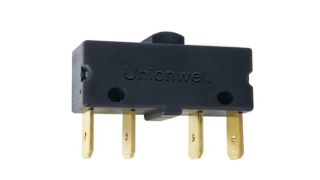
Simple and reliable, these switches require the user to press down to activate. They are cost-effective but may not always feature advanced safety features.
These switches work in combination with a thermostat to shut off automatically when water reaches boiling point. They are preferred for their convenience and safety.
With built-in LED indicators, these switches enhance user experience by showing when the kettle is in operation.
As smart appliances grow in popularity, some kettle switches integrate with mobile apps, sensors, or energy-saving modes.
Manufacturers are continually upgrading kettle switch designs to meet the demands of modern consumers. Some recent innovations include:
Improved Ergonomics – switches designed for comfortable operation.
Moisture-Proof Seals – preventing steam from damaging internal circuits.
Energy-Saving Features – reducing standby power consumption.
Multi-Functionality – switches combined with timer or temperature control functions.
These innovations not only improve usability but also significantly extend durability.
When selecting a kettle switch—whether as a consumer buying a new appliance or as a manufacturer sourcing components—the following factors should be considered:
Frequency of Use – For households with frequent boiling needs, prioritize switches with high mechanical life cycle ratings.
Operating Environment – In humid or commercial settings, choose moisture-resistant designs.
Safety Features – Look for automatic shut-off, thermal cut-offs, and tamper-resistant designs.
Aesthetics – For premium appliances, illuminated or sleek designs may enhance appeal.
Supplier Reliability – Work with manufacturers known for consistent quality and certifications.
For end users, the durability of a kettle switch translates into convenience and peace of mind. A faulty switch often means replacing the entire kettle, which is inconvenient and costly. Choosing appliances with well-engineered switches saves money, prevents hazards, and ensures smoother daily routines.
For kettle manufacturers, the switch is a key differentiator. A high-quality switch improves product reputation, reduces warranty claims, and builds customer trust. By investing in durable components, brands can strengthen their position in a competitive market where safety and reliability are top concerns.
Durable kettle switches also contribute to sustainability. Longer-lasting appliances reduce electronic waste and the environmental impact of frequent replacements. Additionally, switches made with recyclable or eco-friendly materials align with the growing consumer demand for green products.
While small in size, the kettle switch is a critical component that determines both the safety and lifespan of an electric kettle. By focusing on durability, manufacturers can deliver better-performing appliances, and consumers can enjoy reliable daily use without frequent replacements.
When choosing a kettle switch, prioritize quality materials, heat resistance, mechanical endurance, and safety certifications. Investing in durability ultimately saves money, improves safety, and reduces environmental impact.
If you are a manufacturer or supplier looking for reliable, durable kettle switches that balance innovation with safety, Ningbo Yutai Electronics Co., Ltd. is a trusted partner in the industry. Their expertise in electrical components ensures solutions designed for long-term performance and reliability. For more information, you may want to explore their range of products or get in touch with their team directly.


